The Psychology of Automatic Behavior
Human behavior is not driven primarily by conscious choice. Cognitive psychology trends indicate that a massive percentage of our daily actions are automatic—carried out without deliberate thought. This is an evolutionary advantage designed to save mental energy. The problem arises when the automatic scripts running in our background lead to outcomes we actively dislike.
Habit building is the process of manually rewriting those scripts. It is not about raw motivation or waiting to "feel like it." Motivation is an emotion, and like all emotions, it fluctuates based on sleep, stress, and blood sugar. Habits, conversely, are structural. They rely on established neural pathways that fire regardless of how you feel.
The Core Loop: Cue, Routine, Reward
Every habit operates on a fundamental neurological loop consisting of three distinct phases. Understanding this framework allows you to reverse-engineer any behavior.
- The Cue: The trigger that initiates the behavior. Cues can be time-based, location-based, emotional states, or preceding actions.
- The Routine: The actual behavior you perform. This can be physical, mental, or emotional.
- The Reward: The benefit you gain from the behavior. This satisfies a craving and tells your brain that the loop is worth remembering for the future.
To build a new habit, you must make the cue obvious, the routine easy, and the reward satisfying. To break a bad habit, you must make the cue invisible, the routine difficult, and the reward unsatisfying.
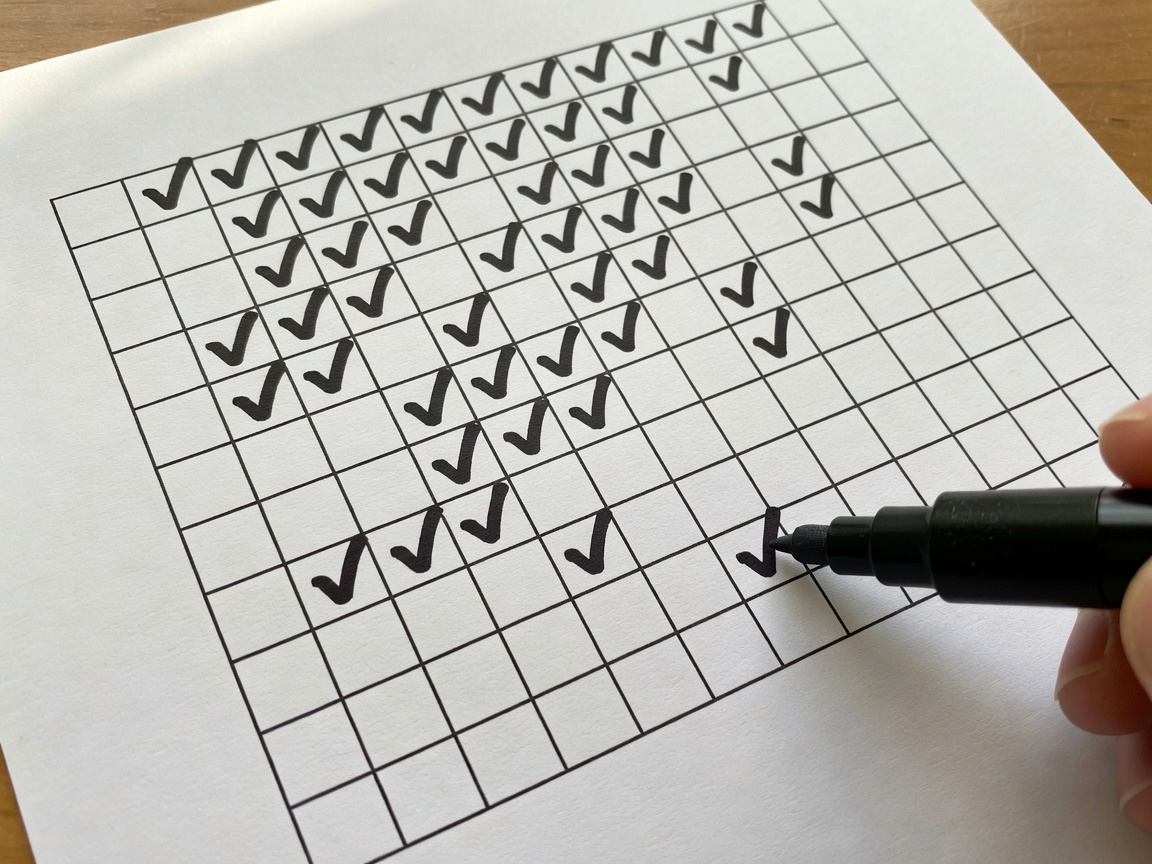
The Power of Tracking
- Creates a visual history of success
- Provides an immediate, intrinsic reward (checking the box)
- Reduces the likelihood of lying to yourself about consistency
- Helps identify specific friction points in your routine
Common Tracking Pitfalls
- Obsessing over the streak rather than the actual behavior
- Demotivation when a perfect streak is broken
- Tracking too many variables simultaneously
- Using complex digital tools when a physical pen and paper would suffice
Environment Design Over Willpower
One of the most profound trends in behavioral science is the shift away from willpower as a primary tool for change. Willpower is finite. If you rely on it to resist eating junk food or scrolling social media while the temptations sit right in front of you, you will eventually fatigue and fail.
Environment design is the superior strategy. This involves restructuring your physical and digital surroundings to make the right behaviors the path of least resistance. If you want to read more, place a book on your pillow. If you want to stop watching television, unplug the TV and put the remote in another room. By increasing the friction of negative habits and decreasing the friction of positive ones, you offload the burden from your finite willpower to your environment.
Implementation Intentions
Vague goals produce vague results. Stating "I will exercise more" provides no actionable data for your brain. Instead, employ an implementation intention, a strategy extensively backed by behavioral research. The formula is rigid but effective: "I will [BEHAVIOR] at [TIME] in [LOCATION]."
By defining exactly when and where a behavior will occur, you strip away the need to make a decision in the moment. The decision has already been made; you simply have to execute it when the cue arises.
Conclusion
Building unbreakable habits requires treating yourself like a system. Stop relying on fleeting emotions to dictate your actions. Analyze your cues, optimize your environment to reduce friction, and relentlessly track your execution. The goal is not perfection, but repetition until the behavior becomes as automatic as breathing.